Home / Conditions / Heart Failure

Heart failure research · Southlake, TX

Heart failure and regenerative research.

Researchers are studying whether cell-based therapies can support a failing heart. Dr. Farhan Abdullah, DO, walks patients from across Dallas-Fort Worth through what that research shows, always alongside their cardiology care.

A research conversation, coordinated with your cardiologist.

565Patients in the largest randomized trial
InvestigationalNot FDA-approved for the heart
Cardiology-firstCoordinated with your cardiologist
FreeConsultation

01What's happening

When the heart can't keep up.

Heart failure means the heart can't pump enough blood for the body's needs. Common causes include a past heart attack, long-standing high blood pressure and diseases of the heart muscle.

Standard care, from medications to devices, is managed by your cardiologist and has improved a great deal. Regenerative research asks a different question: whether cells or their signals can help the heart muscle itself.

That research is real and still early. We explain it honestly and never as a substitute for cardiology care.
  1. Muscle

    Damaged heart muscle pumps less strongly.

  2. Inflammation

    Ongoing inflammation is one target researchers study.

  3. Signaling

    Cell-based approaches are studied for the repair signals they send.

02The research

What the research shows for the heart.

Two studies worth knowing, one large and randomized, one very early:

565patients

DREAM-HF randomized trial

In patients with heart failure, a single heart injection of mesenchymal precursor cells was followed by improved pumping function at 12 months and a 58% lower risk of heart attack or stroke.1

J Am Coll Cardiol, 2023
3patients

First-in-human Muse cells

Three patients received an IV Muse cell-based product after a heart attack. No adverse drug reactions were noted, and heart function measures improved over 12 weeks.2

Circ J, 2020
Next

Where it's heading

Larger, controlled trials are needed before any of these approaches can be called a treatment.

Regenerative therapy for heart failure is investigational and isn't FDA-approved. Apex does not treat heart failure. Nothing on this page is a claim that any therapy treats, prevents or diagnoses any disease.

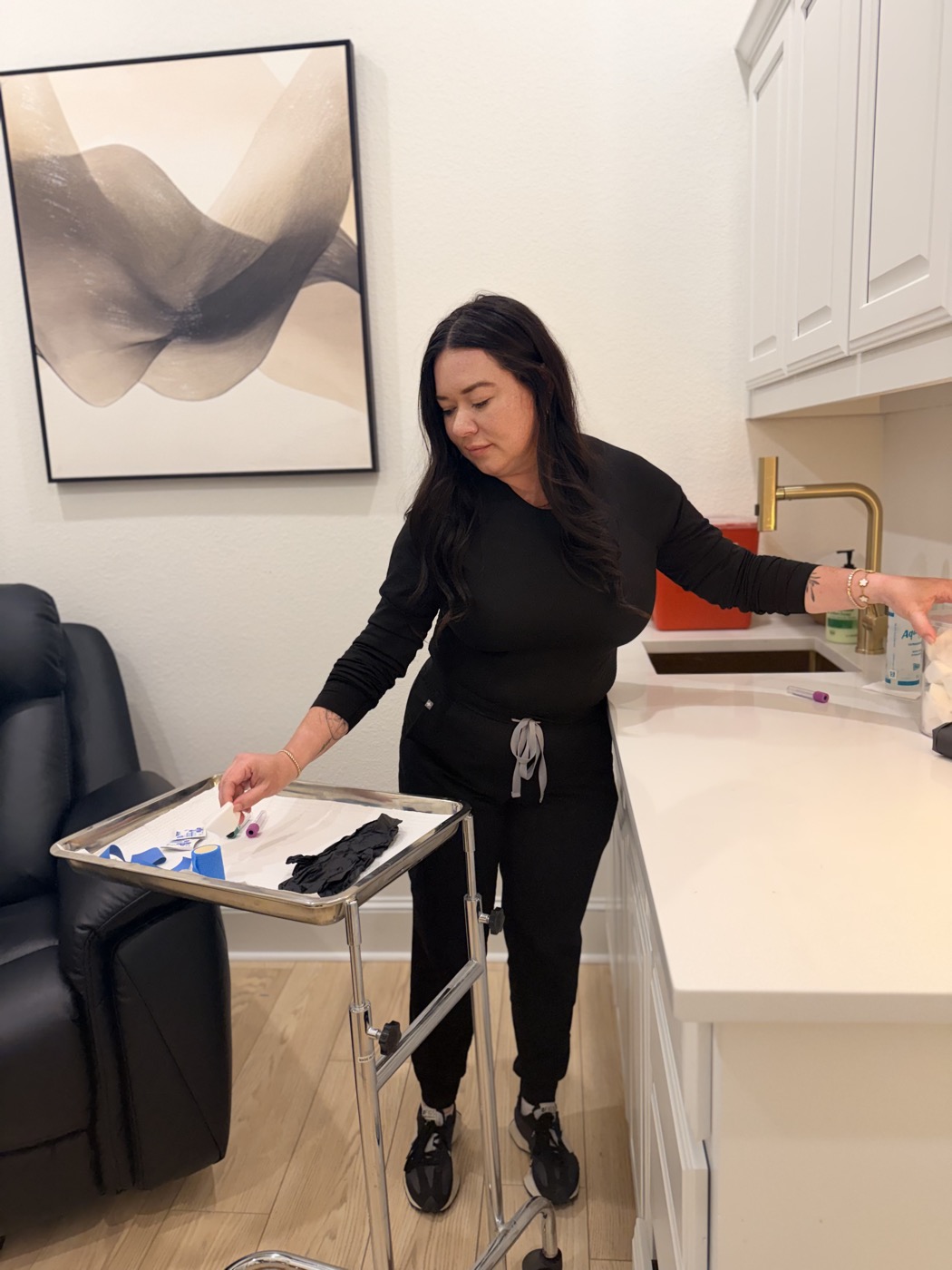
Private consultation room at Apex Regenerative InstituteCardiology-first

03Your care team

Research, alongside your cardiologist.

If you're curious whether any research-stage option is relevant to you, the conversation starts with your full cardiac history and your cardiologist's plan.

Dr. Abdullah is a practicing hospitalist who cares for heart failure patients in the hospital. He'll tell you plainly what the research does and doesn't show.

Dr. Farhan Abdullah, DO, Medical Director of Apex Regenerative Institute

Your physicianFarhan Abdullah, DO

04Physician-led

A physician who knows heart failure.

Dr. Abdullah is board-certified in internal medicine and still practices hospital medicine in Dallas, where heart failure is part of daily care.

Dr. Abdullah is a board-certified internal medicine physician who still practices hospital medicine in Dallas. He trained in stem cell therapy and functional medicine, and he personally evaluates every candidate, reviews your records, and oversees your plan from first visit through follow-up.

  • Board-certified, internal medicine
  • Practicing hospitalist, Dallas
  • Trained, R3 Stem Cell Institute
  • Trained, Institute for Functional Medicine

RPatient reviews

What patients say about Dr. Abdullah.

5.0
★★★★★
27 Google reviews
★★★★★
Dr. Abdullah is the doctor you'll want to have. Patient, calm, listens attentively. I'll wholeheartedly recommend this place to my family and loved ones.
Mickhail Bobga · Google review

A verbatim Google review of Apex. Reviews describe patients' experience of care, not results of any specific therapy. Read all reviews

?Questions patients ask

Straight answers.

Does Apex treat heart failure?

No. We don't treat heart failure, and nothing here replaces your cardiologist. This page explains the research into regenerative approaches for the heart. If you're curious whether any research-stage option is relevant to you, we'll discuss it alongside your cardiology care.

What has the research found so far?

In the largest randomized trial, DREAM-HF, treated patients had improved pumping function at 12 months and a lower rate of heart attack or stroke. Muse cells have been given to a small number of heart attack patients in a first-in-human study.

Is any regenerative therapy FDA-approved for the heart?

No. Cell-based approaches for heart failure are investigational and aren't FDA-approved.

Is it covered by insurance?

No. U.S. insurers classify regenerative therapy for orthopedic and systemic conditions as investigational, so it's self-pay. We publish our prices, and HSA, FSA and 0% financing are available.

How are visits monitored?

Every visit is physician-led, and you're monitored throughout. We coordinate with your cardiologist and share records with your care team.

SScientific basis

Cited sources.

The sources behind this page, so you can read them yourself.

  1. Perin EC, Borow KM, Henry TD, et al. Randomized trial of targeted transendocardial mesenchymal precursor cell therapy in patients with heart failure. J Am Coll Cardiol. 2023;81(9):849-863.PMID 36858705

    Randomized, double-blind, sham-controlled trial (DREAM-HF) in 565 patients with heart failure with reduced ejection fraction.

  2. Noda T, Nishigaki K, Minatoguchi S. Safety and efficacy of human Muse cell-based product for acute myocardial infarction in a first-in-human trial. Circ J. 2020;84(7):1189-1192.DOI 10.1253/circj.CJ-20-0307

    First-in-human study: three patients after heart attack received an IV Muse cell-based product (CL2020).

Free consultation

Talk through the research with a physician.

A free, no-pressure consultation with Dr. Abdullah, coordinated with your cardiology care.

  • A physician-led plan built around you
  • A clear, itemized price before you commit
  • 0% financing · HSA / FSA accepted

Prefer to talk now? Call (972) 768-2328.

Dr. Farhan Abdullah, DO

5.0 · 27 Google reviews

Reviewed personally by Farhan Abdullah, DO. We reply within one business day. No obligation, no pressure.

What happens next: we call to confirm your details, answer your questions, and set up your free consultation with Dr. Abdullah.

Book free consult★ 5.0