TBI implant trial
Surgically implanted, modified MSCs improved motor scores at 24 weeks compared with sham surgery in people with chronic motor deficits after TBI. This was a brain-surgery procedure, not an IV or joint injection.1
Neurology, 2024Home / Conditions / Traumatic Brain Injury
Traumatic Brain Injury research · Southlake, TXAfter a traumatic brain injury, persistent symptoms can affect cognition, mood, and function, and recovery is often incomplete. Dr. Farhan Abdullah, DO, walks patients from across Dallas-Fort Worth through what the research shows, alongside their specialist care.
A research conversation, coordinated with your neurologist.
01What's happening
Regenerative approaches for TBI are investigational; we discuss them honestly on a candidacy basis alongside rehabilitation and neurology care.
Best as a possible adjunct to comprehensive rehabilitation, discussed individually.
Ongoing inflammation is one target researchers study.
Cell-based approaches are studied for the signals they send to tissue.
Controlled human trials are still limited.
02The research
The most relevant human studies:
Surgically implanted, modified MSCs improved motor scores at 24 weeks compared with sham surgery in people with chronic motor deficits after TBI. This was a brain-surgery procedure, not an IV or joint injection.1
Neurology, 2024Larger, controlled trials are needed before any of these approaches can be called a treatment.
Regenerative therapy for traumatic brain injury is investigational and isn't FDA-approved. Nothing on this page is a claim that any therapy treats, prevents or diagnoses any disease.
Specialist-first03Your care team
If you're curious whether any research-stage option is relevant to you, the conversation starts with your full history and your neurologist's plan.
Dr. Abdullah is a practicing hospitalist. He'll tell you plainly what the research does and doesn't show, and when it isn't worth pursuing.

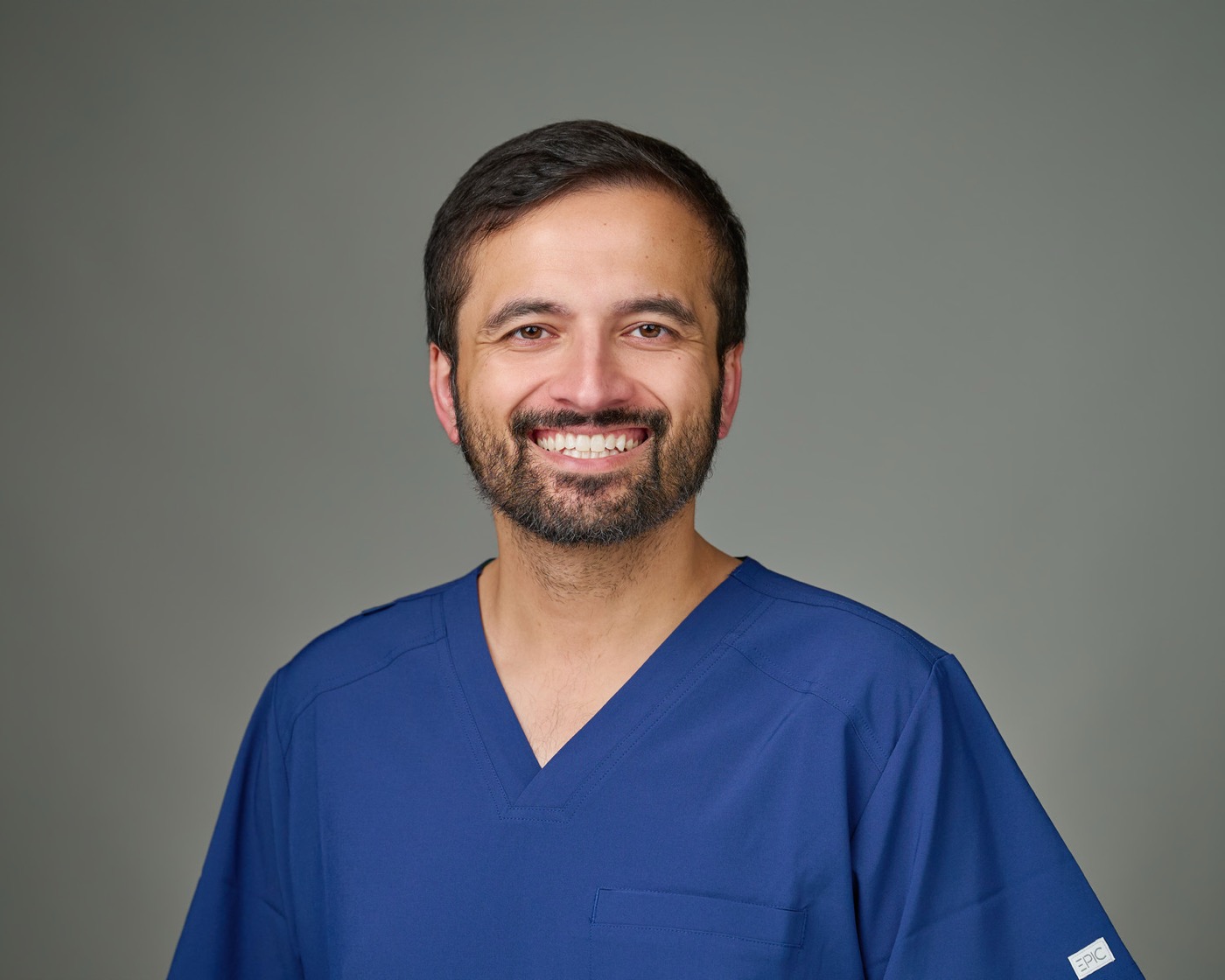
Your physicianFarhan Abdullah, DO
04Physician-led
Dr. Abdullah is board-certified in internal medicine and still practices hospital medicine in Dallas, where coordinating with specialists is part of daily care.
Dr. Abdullah is a board-certified internal medicine physician who still practices hospital medicine in Dallas. He trained in stem cell therapy and functional medicine, and he personally evaluates every candidate, reviews your records, and oversees your plan from first visit through follow-up.
RPatient reviews
Dr. Abdullah is the doctor you'll want to have. Patient, calm, listens attentively. I'll wholeheartedly recommend this place to my family and loved ones.Mickhail Bobga · Google review
A verbatim Google review of Apex. Reviews describe patients' experience of care, not results of any specific therapy. Read all reviews
?Questions patients ask
Regenerative therapy is not an established treatment for traumatic brain injury, and nothing here replaces your neurologist. We review the research with you and, where it's reasonable, discuss whether any investigational option makes sense alongside your neurologist's care.
It is investigational for traumatic brain injury. We discuss candidacy honestly alongside rehabilitation and neurology care.
No. Cell-based approaches for traumatic brain injury are investigational and aren't FDA-approved.
No. U.S. insurers classify regenerative therapy for orthopedic and systemic conditions as investigational, so it's self-pay. We publish our prices, and HSA, FSA and 0% financing are available.
Every visit is physician-led, and you're monitored throughout. We coordinate with your neurologist and share records with your care team.
Yes. Our clinic is in Southlake, between Dallas and Fort Worth, and many patients drive in from across the metroplex. Most treatments are a single outpatient visit.
SScientific basis
The sources behind this page, so you can read them yourself.
Randomized, sham-controlled trial of surgically implanted modified MSCs (SB623) in 61 people with chronic motor deficits after TBI.
Free consultation
A free, no-pressure consultation with Dr. Abdullah, coordinated with your neurologist.
Prefer to talk now? Call (972) 768-2328.